
 By admin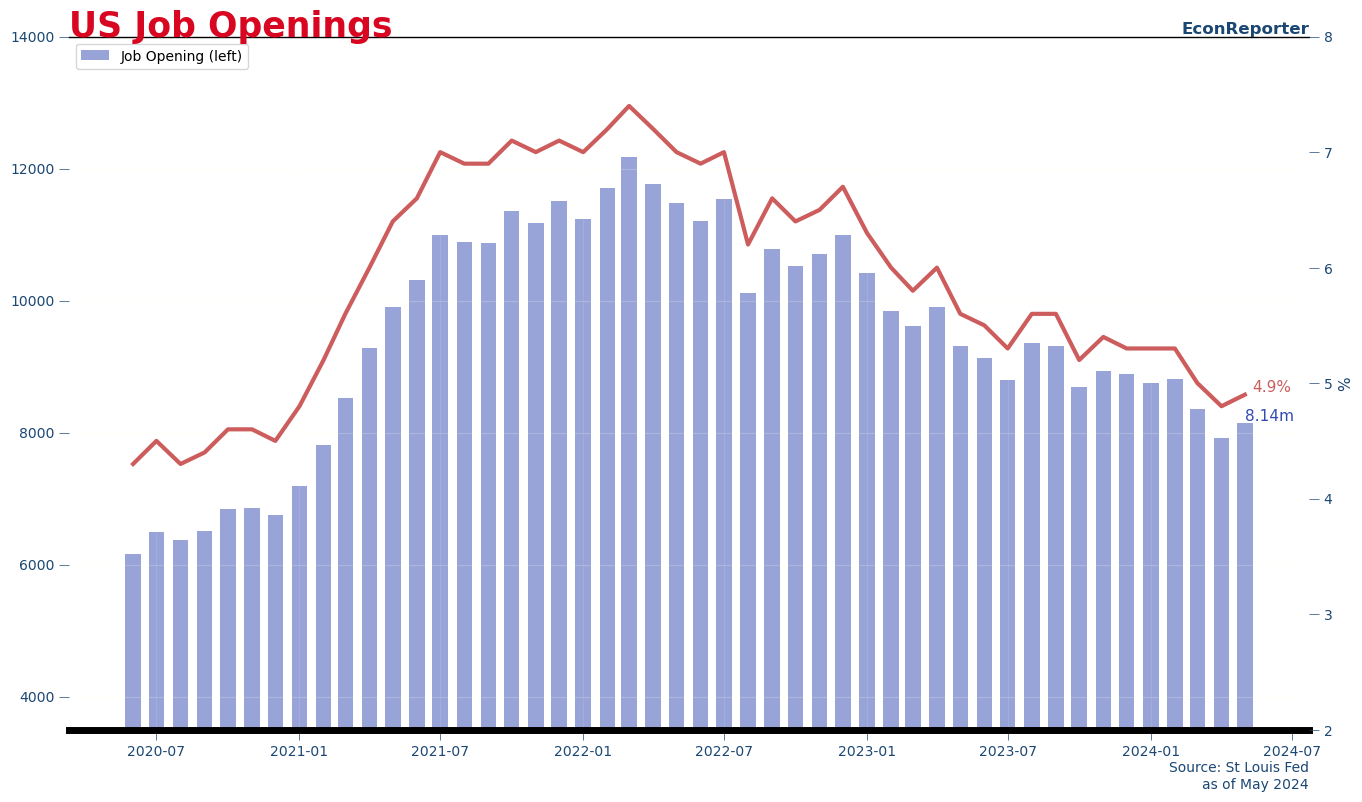
Job Market Jolt: New Numbers Reshape US Hiring
Introduction
Remember those days when headlines screamed about a never-ending talent war? Companies practically begged for employees, and job seekers could practically name their price. Well, grab your coffee and settle in, because the script has flipped. The latest job market numbers are in, and they’re sending a ripple (or maybe a wave?) of change through the US hiring landscape. Forget the static – this is a dynamic shift, and understanding it is crucial, whether you’re an employer, an employee, or just curious about the economic weather.
So, what’s the story? We’re seeing a cooling off. While the economy isn’t exactly hitting the brakes, it’s definitely easing off the accelerator. Hiring sprees are becoming more selective, layoffs – while not rampant – are making headlines, and that feeling of boundless opportunity is… well, it’s feeling a little less boundless. Think of it like a dance floor that’s still lively, but not quite as packed.
The Short-Term Sting: Navigating the Present
Let’s not sugarcoat it: for some, this shift stings. If you’re actively searching for a job, especially after being laid off, the competition is tougher. Those “ghosting” stories you heard about during the boom? They might be back with a vengeance. Employers, suddenly holding more cards, can be more discerning, taking their time to find the perfect fit instead of settling for “good enough.”
- Impact on Job Seekers: Longer job search times, increased competition, potential salary negotiation challenges. Remember Sarah, a marketing specialist laid off from a tech startup? She spent six months job hunting, sending out hundreds of applications, before landing a role with a non-profit at a slightly lower salary than her previous position. Her experience highlights the reality for many.
- Impact on Employers: Increased talent pool, ability to be more selective, potential pressure to manage existing employee morale amid layoff announcements in other companies.
- Industries Feeling the Heat: Tech, finance, and real estate are currently experiencing significant adjustments, with hiring freezes and even layoffs in some major players.
The Long Game: What the Future Holds
But don’t despair! This isn’t a doomsday scenario. In fact, this recalibration could be a good thing in the long run. It’s a chance to build a more sustainable, balanced, and ultimately stronger job market.
- Skills over Hype: The focus is shifting from just filling positions to finding candidates with the right skills. The emphasis is now on specific, demonstrable abilities.
- Rise of Hybrid Roles: We might see more hybrid roles emerging, combining technical skills with soft skills, and adaptability becoming a highly valued trait.
- Investing in Training: Companies will need to focus on investing in training and development programs to upskill their current workforce. Think of it as growing your own talent, rather than constantly chasing after external candidates. This also keeps employees engaged and makes them feel more valued.
Practical Solutions: Your Action Plan
Okay, so what can you do about all this? Whether you’re an employer or an employee, here’s your action plan:
For Job Seekers:
- Sharpen Your Skills: Identify the skills that are most in demand in your industry and invest in upskilling or reskilling. Online courses, workshops, and certifications can make a huge difference. Focus on practical skills that you can immediately apply.
- Network, Network, Network: Don’t just apply online. Attend industry events, reach out to people in your network, and let them know you’re looking. A personal connection can often open doors that a resume can’t.
- Craft a Stellar Resume and Cover Letter: Tailor your resume and cover letter to each specific job you’re applying for, highlighting the skills and experience that are most relevant. Use keywords from the job description to ensure your application gets noticed.
- Practice Your Interview Skills: Practice answering common interview questions, and research the company thoroughly before the interview. Be prepared to discuss your skills and experience in detail, and to explain how you can contribute to the company’s success.
- Be Patient and Persistent: The job market is competitive, so don’t get discouraged if you don’t get a job offer right away. Keep applying, keep networking, and keep learning. Your hard work will eventually pay off.
- Example: John, a recent college graduate, struggled to find a job in his field. He decided to volunteer at a local non-profit, gaining valuable experience and making connections. Within a few months, he landed a full-time position at the organization.
- Consider Contract or Freelance Work: These options can provide income and valuable experience while you’re searching for a full-time job. They can also lead to permanent positions down the road.
For Employers:
- Focus on Retention: It’s often cheaper and easier to retain existing employees than to hire new ones. Invest in employee engagement, training, and development programs to keep your employees happy and motivated.
- Re-evaluate Your Compensation and Benefits: Make sure your compensation and benefits packages are competitive with those of other companies in your industry. Offer flexible work arrangements, generous paid time off, and other perks to attract and retain top talent.
- Embrace Skills-Based Hiring: Look beyond traditional qualifications and focus on the skills and experience that are most relevant to the job. Use skills assessments to evaluate candidates’ abilities, and be open to hiring candidates who may not have all the traditional qualifications but who have the potential to learn and grow.
- Streamline Your Hiring Process: Reduce the time it takes to hire new employees. This will make your company more attractive to candidates and reduce the risk of losing them to other companies.
- Invest in Training and Development: Provide employees with opportunities to learn new skills and advance their careers. This will help you retain top talent and improve the overall performance of your workforce.
- Case Study: Company X implemented a mentorship program, pairing experienced employees with newer ones. This not only boosted employee morale but also improved knowledge transfer and skill development across the organization.
Alternative Approaches:
- For Job Seekers:
- Consider a Career Change: If you’re struggling to find a job in your current field, consider changing careers. Research in-demand industries and identify skills that you already have that can be transferred to a new field.
- Start Your Own Business: If you have an entrepreneurial spirit, consider starting your own business. This can be a risky but rewarding way to take control of your career.
- For Employers:
- Offer Apprenticeships or Internships: These programs can help you attract and train young talent. They also give you a chance to evaluate candidates before offering them full-time positions.
- Partner with Educational Institutions: Collaborate with colleges and universities to develop programs that meet the needs of your industry. This will help you attract and train future employees.
Conclusion: An Opportunity for Growth
The job market is indeed reshaping, and while change can be unsettling, it also presents opportunities. This isn’t a time for panic, but for strategic action. For job seekers, it’s a chance to upskill, network smarter, and showcase your value. For employers, it’s an opportunity to refine your hiring practices, invest in your current workforce, and build a stronger, more resilient team.
The numbers might be jolting, but they also signal a new era of focus, skill-building, and strategic growth. So, take a deep breath, assess your position, and get ready to navigate this new landscape with confidence. The future of work is being written right now, and you have a chance to be a part of the story. Let’s make it a success!