
 By admin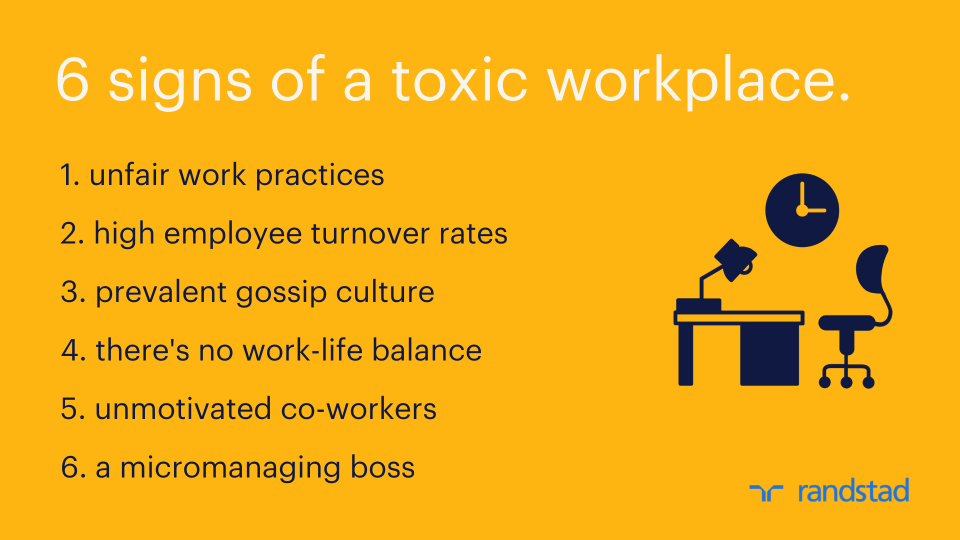
Toxic Workplace: Survive or Escape?
Introduction
Okay, let’s be honest. We’ve all been there, haven’t we? That sinking feeling on Sunday night, the knot in your stomach before a Monday morning meeting, the constant feeling of walking on eggshells around certain colleagues. We’re talking about the dreaded T-word: toxic workplace.
It’s not just about having a bad day or disagreeing with a decision. A toxic workplace is a sustained environment characterized by negativity, dysfunction, and often, outright hostility. It can manifest in many forms, from rampant gossip and backstabbing to bullying, micromanagement, and a complete lack of work-life balance. But the question you’re likely asking yourself is: Is this salvageable? Can I survive this, or do I need to make a run for it?
Before you make any rash decisions (like dramatically quitting mid-meeting – tempting, but probably not the best move), let’s unpack the impact of a toxic workplace and explore some viable strategies for navigating this challenging terrain.
The Short-Term and Long-Term Fallout: More Than Just a Bad Day
Let’s be clear: consistently experiencing negativity at work takes a toll. In the short term, you might notice:
- Increased Stress & Anxiety: The constant tension and uncertainty can trigger your fight-or-flight response, leaving you feeling perpetually on edge.
- Decreased Productivity & Motivation: It’s hard to focus and perform when you’re constantly worried about office politics or dealing with difficult personalities.
- Sleep Disturbances & Physical Ailments: Stress manifests physically. Headaches, stomach problems, and difficulty sleeping are common symptoms.
- Dread of Going to Work: That Sunday night dread we mentioned earlier? That’s a big red flag.
However, the long-term impacts are even more concerning:
- Burnout & Exhaustion: Prolonged exposure to a toxic environment can lead to complete emotional, physical, and mental exhaustion.
- Erosion of Self-Esteem: Constant criticism or feeling undervalued can chip away at your confidence and sense of worth.
- Mental Health Issues: Anxiety, depression, and even PTSD can develop as a result of prolonged exposure to workplace toxicity.
- Impact on Personal Relationships: When you’re stressed and unhappy at work, it inevitably spills over into your personal life, affecting your relationships with family and friends.
- Career Stagnation: Being in survival mode hinders your ability to learn, grow, and advance professionally.
So, What Can You Do? Survival Strategies for the Trenches
Okay, enough doom and gloom. Let’s get practical. If leaving immediately isn’t an option (and let’s face it, it often isn’t), here are some strategies to help you navigate the toxicity and protect your well-being:
- Document, Document, Document: This is crucial. Keep a detailed record of specific incidents, including dates, times, who was involved, and what was said or done. This documentation can be invaluable if you need to file a complaint with HR or seek legal advice later.
- Example: Instead of writing “John was rude to me again,” write: “On October 26, 2023, at 10:30 AM, John raised his voice during the team meeting and publicly criticized my presentation, stating that it was ‘a waste of everyone’s time’ and ‘completely lacking in research.'”
- Set Boundaries (and Enforce Them): This is about protecting your time, energy, and mental space. Learn to say “no” to extra tasks or requests that fall outside your job description. Don’t respond to emails after work hours. Don’t engage in office gossip.
- Example: “I appreciate you thinking of me for this project, but my current workload is already at capacity. I wouldn’t be able to give it the attention it deserves.”
- Build a Support System: Connect with colleagues you trust and who understand the situation. Vent your frustrations, share strategies, and offer each other support. A strong support system can make a huge difference in your ability to cope.
- Case Study: Sarah, a marketing manager, found herself isolated and demoralized in a highly competitive and backstabbing environment. She started having lunch regularly with two other colleagues who were also struggling. They became a sounding board for each other, offering advice and emotional support. This helped Sarah feel less alone and gave her the strength to navigate the toxicity.
- Focus on What You Can Control: You can’t change the behavior of others, but you *can* control your own reactions and choices. Focus on doing your job well, maintaining a positive attitude (as much as possible), and seeking out opportunities to learn and grow.
- Practice Self-Care Religiously: This isn’t optional; it’s essential. Make time for activities that help you relax and recharge, whether it’s exercise, meditation, spending time in nature, or pursuing a hobby. Prioritize your mental and physical well-being.
- Seek Feedback From Trusted Sources: The nature of a toxic workplace may have blurred your perception of reality, making you feel as though you aren’t performing well. Seeking feedback from trusted sources will help you stay grounded in reality, and will boost your confidence levels
Escape Plan Activated: When to Cut Your Losses
Sometimes, survival isn’t enough. If the toxicity is persistent, severe, and significantly impacting your well-being, it’s time to consider an escape plan. Here are some signs that it’s time to jump ship:
- Your Mental or Physical Health is Suffering: If you’re experiencing chronic anxiety, depression, or other health problems as a direct result of your work environment, your health should be your top priority.
- HR is Ineffective or Complicit: If you’ve reported issues to HR and they’re not taking them seriously or are actively enabling the toxic behavior, it’s unlikely that things will improve.
- You Feel Trapped and Hopeless: If you feel like there’s no way out and your work life is constantly draining your spirit, it’s time to explore other options.
- The Company Culture is Fundamentally Flawed: If the toxicity is ingrained in the company’s values and leadership style, it’s unlikely to change.
Crafting Your Exit Strategy:
- Update Your Resume and LinkedIn Profile: Start showcasing your accomplishments and skills.
- Network, Network, Network: Reach out to contacts in your industry and let them know you’re looking for new opportunities.
- Practice Interviewing: Brush up on your interviewing skills and prepare to answer questions about your current job in a positive and professional manner. Focus on what you’ve learned and how you’ve grown, rather than dwelling on the negative aspects of your current situation.
- Secure Another Job Before Leaving: Unless the situation is absolutely unbearable, it’s generally best to have another job lined up before you resign. This will provide you with financial security and peace of mind.
The Light at the End of the Tunnel
Navigating a toxic workplace is undoubtedly challenging. It requires resilience, self-awareness, and a proactive approach. Remember, you are not alone, and you are not powerless. By implementing these strategies, you can protect your well-being, regain control, and ultimately, make the best decision for your career and your life.
Whether you choose to survive or escape, remember that you deserve to work in an environment that is supportive, respectful, and conducive to growth. Don’t settle for anything less. Take action, prioritize your well-being, and trust that brighter days are ahead. You’ve got this!