
 By admin
USA Jobs: Hiring Surge or Economic Mirage?
Introduction
Headlines are screaming: “Record Job Growth!” “Unemployment Plummets!” It’s enough to make you crack open the champagne and start planning that long-delayed vacation. But before you max out your credit card, let’s take a closer look at the current US job market. Is this hiring surge a genuine sign of a booming economy, or are we staring at an economic mirage, shimmering on the horizon and destined to disappear with the next heatwave?
The truth, as always, is somewhere in the middle.
The Good News: Jobs, Jobs, Jobs!
Let’s start with the positives. The US has indeed seen significant job growth in recent months. Industries like leisure and hospitality, battered by the pandemic, are finally bouncing back as people venture out and spend money again. Government initiatives and infrastructure projects are also injecting capital into the economy, creating new opportunities across various sectors.
The unemployment rate is down, and that’s objectively good news. More people are employed, earning paychecks, and contributing to the economy. This surge in hiring can lead to increased consumer confidence, further fueling economic activity.
The Not-So-Good News: A Deeper Dive
However, beneath the surface of these positive headlines lie some concerning realities.
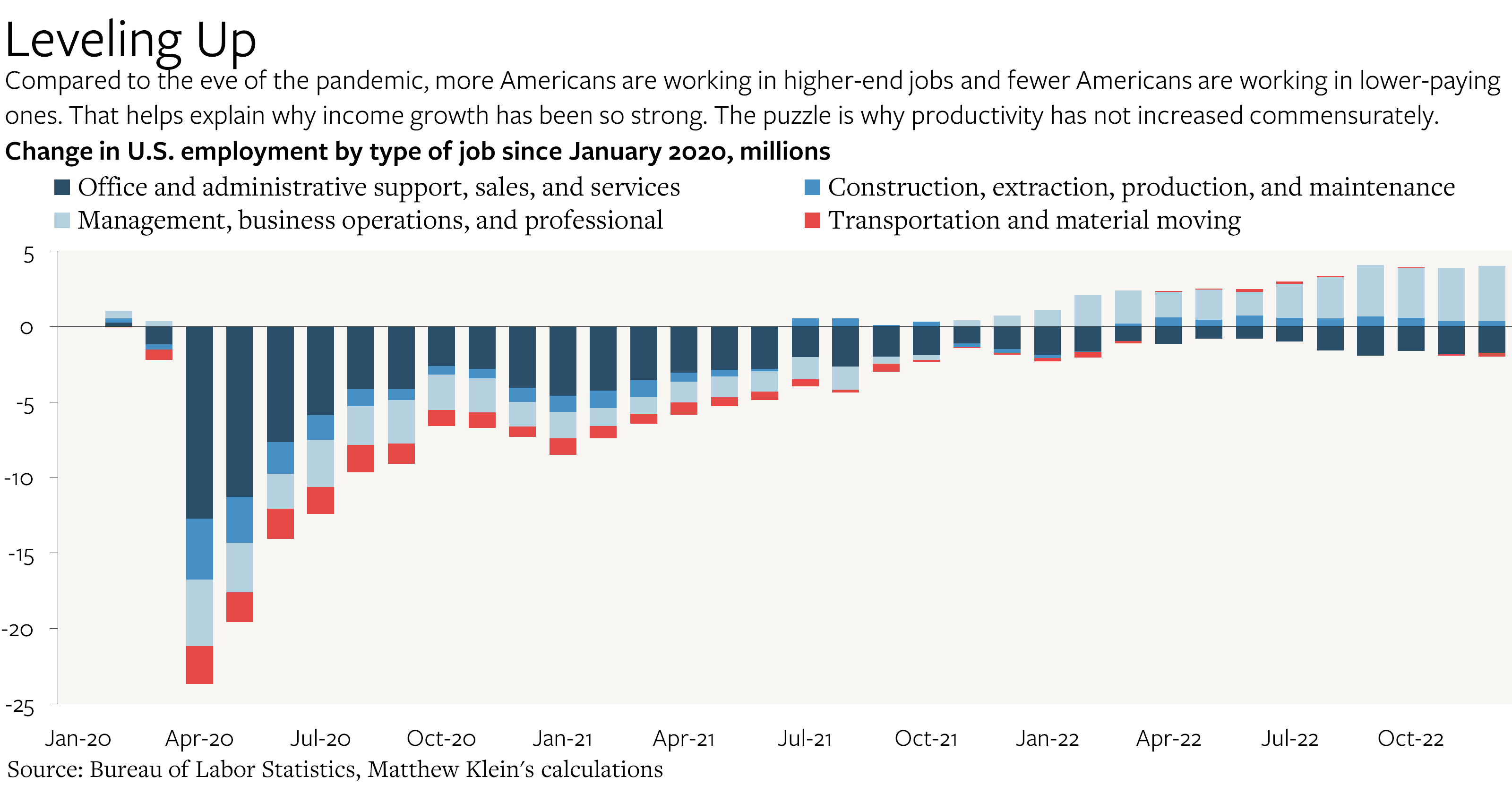
- Quality vs. Quantity: Are these truly good jobs? Many of the new jobs being created are in lower-paying sectors like retail and hospitality. While any job is better than no job, these roles often lack benefits like health insurance, paid time off, and opportunities for advancement. This contributes to a growing wealth gap and economic inequality.
- The Inflation Factor: Inflation is stubbornly high. Even with a job, many Americans are struggling to make ends meet as the cost of everything from groceries to gas continues to rise. Wage growth, while present, often lags behind inflation, meaning people are effectively earning less in real terms.
- The Great Resignation’s Lingering Impact: The Great Resignation, where millions of workers voluntarily left their jobs, continues to impact the labor market. Companies are scrambling to fill open positions, leading to a perceived “hiring surge.” But are they addressing the underlying issues that drove workers to leave in the first place, such as low pay, lack of work-life balance, and limited career opportunities? Or are they simply papering over the cracks?
- The Looming Threat of Recession: Economic indicators are mixed, and many experts predict a recession is on the horizon. If the economy slows down, those newly created jobs could be the first to disappear, leaving many vulnerable.
Short-Term vs. Long-Term Impacts:
The short-term impact of the hiring surge is undeniable: more people employed, lower unemployment rates, and a boost in consumer spending. However, the long-term implications are less clear. If the quality of jobs remains low and wages fail to keep pace with inflation, we risk creating a workforce that is employed but financially insecure. This could lead to social unrest, decreased productivity, and a drag on long-term economic growth.
Furthermore, a potential recession could wipe out the gains made during this hiring surge, leaving many unemployed and disillusioned. It’s crucial to address the underlying issues driving economic instability to ensure that any job growth is sustainable and beneficial for everyone.
So, What Can We Do? Practical Solutions
The good news is that there are practical steps that individuals, businesses, and governments can take to address these challenges and ensure that the hiring surge translates into long-term economic prosperity.
- Upskilling and Reskilling Initiatives: Investing in training programs that equip workers with the skills needed for higher-paying, in-demand jobs is crucial. This can include vocational training, apprenticeships, and online learning platforms. Community colleges and local organizations can play a vital role in delivering these programs.
Example: A manufacturing company partners with a local community college to offer a training program in advanced robotics. This equips unemployed individuals with the skills needed to operate and maintain automated systems, leading to well-paying jobs in a growing industry.
- Raising the Minimum Wage: Increasing the minimum wage can help lift low-wage workers out of poverty and provide them with more disposable income, boosting consumer spending and economic activity.
Example: Several cities and states have already implemented minimum wage increases, with studies showing positive impacts on worker earnings and consumer spending.
- Supporting Small Businesses: Small businesses are a major source of job creation. Providing them with access to capital, tax incentives, and regulatory relief can help them grow and hire more workers.
Example: A government program offers low-interest loans to small businesses in underserved communities. This allows them to expand their operations, hire more employees, and contribute to the local economy.
- Promoting Work-Life Balance: Offering flexible work arrangements, paid family leave, and affordable childcare can attract and retain workers, leading to increased productivity and job satisfaction.
Example: A tech company implements a four-day work week, resulting in increased employee morale, reduced stress, and improved productivity.
- Investing in Education: A well-educated workforce is essential for long-term economic growth. Increasing funding for public education, from early childhood education to higher education, can help create a more skilled and competitive workforce.
Example: A state government invests in early childhood education programs, leading to improved academic outcomes, reduced crime rates, and a more productive workforce in the long run.
Alternative Approaches:
- Universal Basic Income (UBI): While controversial, UBI is a guaranteed minimum income for all citizens, regardless of employment status. Proponents argue that it can provide a safety net for those displaced by automation or economic downturns and stimulate the economy.
- Job Guarantee: A job guarantee program would guarantee a job to anyone who wants one, at a living wage. This could help reduce unemployment and poverty and provide valuable public services.
- Employee Ownership Models: Encouraging employee ownership of companies can lead to increased productivity, job satisfaction, and wealth creation for workers.
Conclusion: Turning Mirage into Momentum
The current US job market is a complex and dynamic landscape. While the hiring surge offers some positive signs, it’s crucial to look beyond the headlines and address the underlying issues that threaten long-term economic stability.
By investing in upskilling and reskilling initiatives, raising the minimum wage, supporting small businesses, promoting work-life balance, and investing in education, we can turn this potential mirage into genuine economic momentum.
It’s time to move beyond short-term fixes and focus on creating a more equitable and sustainable economy where everyone has the opportunity to thrive. The solutions are within our reach. Let’s work together to build a future where job growth translates into lasting prosperity for all Americans. Don’t just read the headlines; demand that our leaders prioritize policies that create good jobs, support working families, and build a stronger, more resilient economy for generations to come. The power to shape our economic future lies within us. Let’s use it wisely.