
 By admin
Toxic Work: Your Health or Your Job?
Introduction
Ever feel like you’re walking on eggshells at work? Dreading Monday mornings more than usual? Or maybe you’re just utterly exhausted, even after a weekend spent binge-watching Netflix. Chances are, you might be wading through a toxic work environment. And the million-dollar question is: how long can you keep treading water before it drags you under?
We all know that a job is more than just a paycheck. It’s a place where we spend a significant chunk of our lives, build relationships (hopefully positive ones!), and ideally, grow professionally. But what happens when that place becomes a breeding ground for negativity, stress, and outright hostility? What happens when your job, designed to sustain you, starts actively harming you?
Let’s dive in.
The Subtle (and Not-So-Subtle) Signs of Toxicity
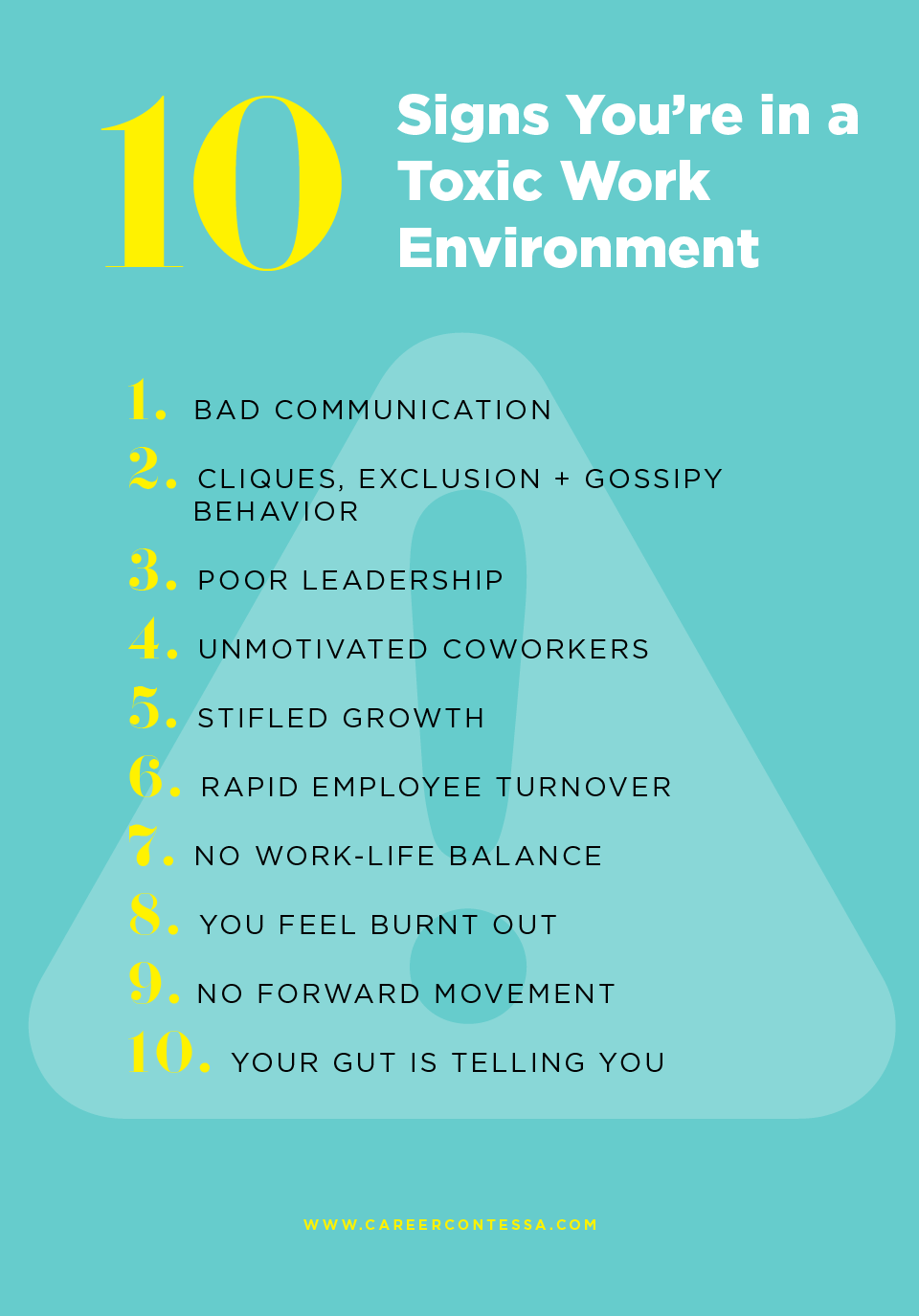
A toxic workplace isn’t always about screaming matches in the office or blatant harassment (though those are definitely red flags). Sometimes, it’s much more insidious. Think about:
- Constant Criticism & Micromanagement: Are you constantly feeling like nothing you do is ever good enough? Is every email scrutinized, every decision questioned?
- Gossip & Backstabbing: Is the office rife with whispers and behind-the-back conversations? Does it feel like everyone is competing with everyone else, rather than working together?
- Lack of Recognition: Are your hard work and achievements consistently overlooked? Does management fail to acknowledge your contributions?
- Unrealistic Expectations: Are you constantly overloaded with work, expected to be available 24/7, and never given the resources you need to succeed?
- Bullying & Harassment: This can range from subtle forms of intimidation to outright verbal abuse and discrimination.
- Lack of Work-Life Balance: Does your job demand constant availability, making it impossible to disconnect and recharge?
If any of these resonate with you, you’re likely in a toxic environment. But what are the real-world consequences of enduring this kind of stress day in and day out?
The Toll on Your Well-being: Short-Term Pain, Long-Term Damage
The effects of a toxic work environment aren’t just annoying; they’re genuinely detrimental to your health.
Short-Term Impact:
- Increased Stress & Anxiety: Constant pressure and negativity lead to a surge in stress hormones, causing anxiety, irritability, and difficulty concentrating.
- Sleep Disturbances: Tossing and turning all night, replaying stressful scenarios in your head? Toxic work environments are notorious for disrupting sleep patterns.
- Physical Ailments: Headaches, muscle tension, stomach problems – your body often manifests stress physically.
- Decreased Motivation & Productivity: It’s hard to be productive when you’re constantly feeling drained and discouraged.
- Burnout: That feeling of being completely depleted, emotionally and physically? That’s burnout, and it’s a serious consequence of prolonged exposure to a toxic workplace.
Long-Term Impact:
- Chronic Health Problems: Prolonged stress can weaken your immune system, making you more susceptible to illness and increasing your risk of developing chronic conditions like heart disease, high blood pressure, and diabetes.
- Mental Health Issues: Depression, anxiety disorders, and even PTSD can be triggered or exacerbated by a toxic work environment.
- Relationship Problems: When you’re constantly stressed and exhausted, it can strain your relationships with family and friends.
- Career Stagnation: Feeling stuck and unable to progress due to the toxic atmosphere can be incredibly disheartening and damaging to your career trajectory.
What Can You Do? Reclaiming Your Well-being
The good news is, you’re not powerless. There are several strategies you can employ to navigate a toxic work environment and protect your well-being.
- Document Everything: This is crucial. Keep a detailed record of specific incidents, including dates, times, witnesses, and what was said or done. This documentation can be invaluable if you need to escalate the issue to HR or seek legal advice.
- Set Boundaries: This is your armor. Learn to say “no” to excessive demands, protect your personal time, and avoid getting drawn into office gossip. Clearly define what you’re willing to tolerate and what you’re not.
- Build a Support System: Talk to trusted colleagues, friends, or family members about what you’re experiencing. Having someone to vent to and offer support can make a huge difference.
- Communicate (Carefully): If you feel safe and comfortable doing so, consider addressing the issue directly with the person or people involved. Use “I” statements to express how their behavior is affecting you, and focus on specific examples rather than making general accusations. Example: “I feel overwhelmed when I’m asked to take on additional projects without any prior notice, and it makes it difficult for me to complete my existing tasks effectively.”
- Talk to HR (If You Trust Them): If the behavior is severe or if you’ve already tried addressing it directly without success, consider reporting it to HR. However, be aware that HR’s primary responsibility is to protect the company, so approach this with caution and be prepared for the possibility that they may not take your concerns seriously.
- Prioritize Self-Care: This is non-negotiable. Make time for activities that help you relax, de-stress, and recharge. Exercise, meditation, spending time in nature, pursuing hobbies – whatever brings you joy and helps you disconnect from work.
- Polish Your Resume & Explore Other Options: Let’s face it, sometimes the best solution is to leave. Start actively searching for a new job, even if you’re not sure you want to quit yet. Having other options can empower you and give you a sense of control.
Case Study:
Sarah worked as a marketing manager in a fast-paced agency. She was consistently overloaded with work, received little to no positive feedback, and was subjected to constant criticism from her boss. Initially, Sarah tried to power through it, but she eventually started experiencing anxiety, insomnia, and chronic headaches. She decided to start documenting the incidents, setting boundaries by refusing to work weekends, and talking to a therapist. While the therapy helped, the environment remained toxic. Finally, after several months of searching, she landed a job at a smaller, more supportive company. Leaving was the best decision she ever made; her health improved dramatically, and she felt valued and appreciated in her new role.
Choosing Your Path: A Personalized Approach
There’s no one-size-fits-all solution to dealing with a toxic work environment. The best approach depends on your specific situation, your personality, and your priorities.
- Stay and Fight: If you believe the situation can be improved, and you’re willing to put in the effort to address the issues directly, this may be the right path for you. However, be prepared for the possibility that your efforts may not be successful.
- Stay and Cope: If you need to stay in the job for financial or other reasons, focus on minimizing the impact on your well-being by setting boundaries, building a support system, and prioritizing self-care.
- Leave and Thrive: If the situation is consistently damaging your health and well-being, and you see no realistic prospect of improvement, leaving is often the best option. Your health is not worth sacrificing for a job.
The Takeaway: Your Well-being Matters Most
Remember, you deserve to work in an environment that supports your well-being and allows you to thrive. You have the right to be treated with respect, to have your contributions valued, and to maintain a healthy work-life balance. If your current job is consistently undermining your well-being, it’s time to take action.
It’s not always easy to make a change, but it’s important to remember that you have the power to create a better future for yourself. Take a deep breath, assess your situation, and choose the path that’s right for you. You are not alone, and you deserve a workplace that allows you to flourish. Start taking those steps today, and reclaim your well-being. The future you will thank you for it.