
 By admin
 “`html
Job Market Bloodbath: Layoffs Surge, Hiring Freezes Grip Nation
Introduction
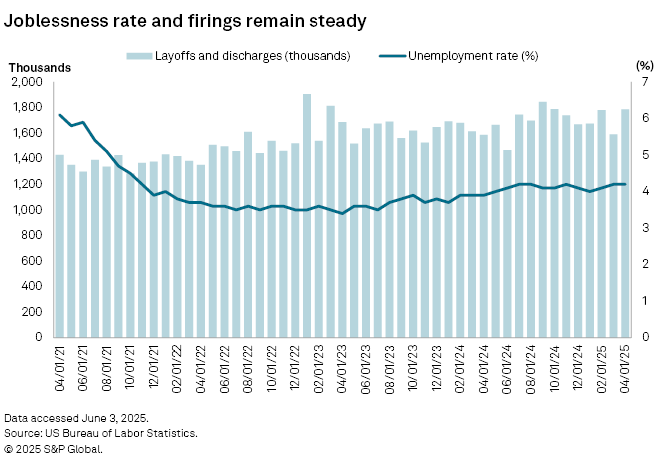
Okay, let’s be real. You’ve probably felt it. That little knot of anxiety tightening in your stomach every time you scroll through LinkedIn or catch a news headline. The whispers are getting louder, the reports more frequent: layoffs are surging, and hiring freezes are sweeping across the nation. It’s not just doom and gloom; it’s a tangible shift impacting careers, livelihoods, and the overall economy.
Forget the sugarcoating. We’re in a tough spot. But panicking? That’s not going to help anyone. Instead, let’s dive in, understand what’s happening, and, most importantly, figure out what you can *do* about it.
The Bleeding: Why Are We Seeing This?
Before we start strategizing, let’s quickly break down the “why.” There’s no single culprit, but rather a confluence of factors creating this perfect storm:
- Economic Uncertainty: Inflation remains stubbornly high, interest rates are climbing, and fears of a recession loom large. Companies are tightening their belts, bracing for a potential economic downturn.
- Over-Hiring Frenzy of the Past: Remember the great resignation and the scramble to fill every open position? Many companies over-hired during that period, and now they’re correcting course, often brutally.
- Shifting Priorities: Some industries are undergoing significant transformations. Technology, for example, is seeing a recalibration after years of explosive growth, with companies streamlining operations and focusing on profitability.
- Automation and AI: Let’s not ignore the elephant in the room. Automation and artificial intelligence are increasingly capable of performing tasks previously handled by humans, leading to workforce reductions in certain sectors.
Short-Term Pain, Long-Term Repercussions
The immediate impact is undeniable. People are losing their jobs, facing financial strain, and experiencing the emotional toll of unemployment. But the ripple effects extend further:
- Reduced Consumer Spending: Layoffs lead to decreased spending, which can further dampen economic growth.
- Increased Anxiety and Uncertainty: The fear of job loss can affect employee morale and productivity, even among those who haven’t been directly impacted.
- Talent Pool Shift: While some companies are shrinking, others are still growing. This creates an opportunity for strategic companies to scoop up top talent that’s suddenly available.
- Potential for Innovation: Economic downturns often force companies to become more efficient and innovative, leading to new products, services, and business models.
Alright, Enough Doom and Gloom! What Can You Do?
Okay, let’s get to the good stuff. You can’t control the market, but you *can* control your response to it. Here’s a multi-pronged approach to not just survive, but thrive, in this challenging environment:
1. Fortify Your Fortress: Job Security Strategies
- Become Indispensable: This isn’t about brown-nosing. Identify the key skills and knowledge your company values most and become the go-to person for those areas. Offer to take on new responsibilities, improve processes, and demonstrate your value every day.
- Document Everything: Keep meticulous records of your accomplishments, contributions, and positive feedback. When performance reviews come around, you’ll have concrete evidence to showcase your impact.
- Network Internally: Build relationships with colleagues across different departments. This not only expands your knowledge and skillset but also provides you with allies who can advocate for you.
- Upskill Continuously: The job market is constantly evolving. Stay ahead of the curve by learning new skills and technologies relevant to your industry. Consider online courses, workshops, or certifications.
2. Proactive Preparation: The “Just In Case” Plan
- Update Your Resume and LinkedIn: This should be a regular habit, not just something you do when you’re actively job searching. Keep your profile up-to-date with your latest accomplishments and skills.
- Build Your Emergency Fund: Financial security is crucial in times of uncertainty. Aim to have at least 3-6 months’ worth of living expenses saved up.
- Network Actively: Don’t wait until you’re unemployed to start networking. Attend industry events, connect with people on LinkedIn, and reach out to former colleagues.
- Practice Your Interview Skills: Sharpen your interview skills by practicing with a friend or mentor. Be prepared to answer common interview questions and articulate your value proposition.
3. Embrace Opportunity: The Pivot and Thrive Strategy
- Identify Emerging Industries: Some industries are booming even during economic downturns. Consider exploring opportunities in healthcare, cybersecurity, renewable energy, or AI.
- Consider Freelancing or Consulting: If you have specialized skills, you can offer your services as a freelancer or consultant. This can provide you with a flexible income stream and valuable experience.
- Start Your Own Business: If you’ve always dreamed of being an entrepreneur, now might be the time to take the leap. Identify a need in the market and develop a product or service to meet it.
- Upskill for In-Demand Roles: Research the skills that are most in-demand in your industry and invest in training to acquire those skills. This will make you more competitive in the job market.
Examples and Case Studies:
- Case Study: Sarah, the Tech Marketer: Sarah worked for a tech company that recently underwent layoffs. Instead of panicking, she proactively identified a growing need for AI-powered marketing tools and took an online course to learn about AI marketing. She then leveraged her existing marketing skills and her newfound AI knowledge to land a new job at a leading AI startup.
- Example: John, the Project Manager: John worked for a construction company that was slowing down due to rising interest rates. He used his evenings to learn about Agile project management methodologies and obtained a certification. He then successfully transitioned to a project manager role in a tech company that valued his Agile skills.
Choosing Your Path: Tailoring Your Approach
The best approach for you will depend on your individual circumstances, skills, and career goals.
- If you feel relatively secure in your current role: Focus on fortifying your position and building your “just in case” plan.
- If you’re concerned about potential layoffs: Ramp up your networking efforts, update your resume, and explore alternative career paths.
- If you’ve already been laid off: Embrace the opportunity to reassess your career goals, acquire new skills, and explore different industries.
A Final Word: Optimism and Action
The job market may be turbulent, but it’s not the end of the world. It’s a time for reflection, adaptation, and strategic action. By taking proactive steps to protect your career, acquire new skills, and explore alternative opportunities, you can not only survive this “bloodbath” but also emerge stronger and more resilient.
Don’t let fear paralyze you. Take control of your destiny. Invest in yourself. Network strategically. And remember, every challenge presents an opportunity for growth and innovation. The future is uncertain, but your preparedness doesn’t have to be. Now, go out there and make it happen!
“`