
 By admin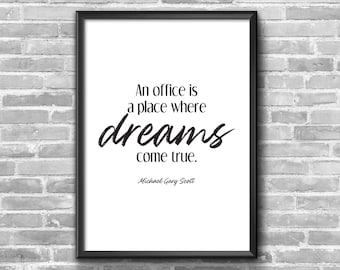
The Office: A Crucible of Dreams
Introduction
Let’s be honest. We’ve all been there. Stuck in a job that feels… less than inspiring. A place where the fluorescent lights hum a monotonous tune, the coffee is perpetually lukewarm, and dreams seem to gather dust in the corner cubicle. For many, that place is – or was – “The Office,” not the beloved sitcom, but the actual, brick-and-mortar, soul-crushing office space. But what if that seemingly stagnant environment isn’t just a dead end? What if it’s actually a crucible, forging you, refining your skills, and ultimately shaping the path to your dreams?
The idea might sound a little far-fetched. After all, “The Office” often represents the opposite: stifled ambition, unappreciated talent, and the creeping feeling of being utterly replaceable. But stick with me. Let’s explore how even the most seemingly mundane office job can become a catalyst for achieving your bigger goals.
The Short-Term Sting: Why It Feels Like a Dead End
Before we get to the “crucible” part, let’s acknowledge the pain. The day-to-day grind of an unfulfilling office job can be soul-crushing. The short-term impacts are palpable:
- Burnout: Repetitive tasks, lack of recognition, and office politics can lead to burnout, impacting your motivation, energy levels, and even your physical health. Think Michael Scott desperately trying to inject fun into a soul-numbing meeting. We laugh, but the underlying exhaustion is real.
- Skill Stagnation: If you’re not challenged or learning new things, your skills can stagnate. This makes it harder to move to a more desirable role, reinforcing the feeling of being trapped. You might feel like Jim Halpert in the early seasons, brilliantly capable but seemingly destined for a life of paper sales.
- Diminished Confidence: Constant criticism, lack of support, or simply feeling underutilized can erode your confidence. You start to doubt your abilities and potential, making it harder to take risks and pursue your dreams. It’s the feeling of being relegated to Stanley Hudson’s crossword puzzles, your true potential lying dormant.
The Long-Term Ripple: The Potential for Growth
Here’s where the “crucible” concept comes in. While the short-term effects can be debilitating, the long-term impacts of navigating an unfulfilling office job can be surprisingly positive, if you approach it strategically:
- Resilience and Grit: Overcoming challenges in a difficult work environment builds resilience and grit. You learn to persevere, adapt to change, and navigate difficult personalities. These are invaluable skills that will serve you well in any future endeavor. Think of Pam Beesly, who, despite her initial shyness and uncertainty, eventually takes risks, pursues her artistic passion, and becomes a confident, multi-faceted character.
- Hidden Skill Development: Even in seemingly mundane roles, you can develop valuable skills. Time management, communication, problem-solving, and collaboration are all essential in any field. The key is to identify and actively hone these skills, even if your job description doesn’t explicitly require them. Maybe you’re the one always troubleshooting the printer jams. Suddenly, you’re a master of mechanical problem-solving.
- Clarity of Purpose: Sometimes, the worst job can provide the most clarity. Experiencing what you don’t want can be a powerful motivator to define what you do want and to actively pursue it. Discontent can be a powerful engine for change.
Turning the Tide: Practical Strategies for Transforming Your Office Experience
So, how do you transform your “Office” from a dead end into a crucible for your dreams? Here are a few practical strategies:
- Identify and Actively Develop Transferable Skills:
- The Challenge: Feeling stuck in a repetitive role.
- The Solution: Identify the skills you are using and actively seek opportunities to develop them further. For example, if you’re responsible for scheduling meetings, focus on improving your organizational and communication skills. Offer to take on projects that allow you to practice these skills in new ways.
- Example: If you’re in accounts payable, offer to train new employees or streamline the payment process. This not only enhances your skillset but also demonstrates initiative.
- Seek Mentorship and Networking Opportunities:
- The Challenge: Feeling isolated and lacking guidance.
- The Solution: Actively seek out mentors, both within and outside your organization, who can offer advice and support. Attend industry events and network with professionals in your desired field.
- Example: Join a professional organization related to your target career. Attend webinars, conferences, and workshops to learn new skills and connect with like-minded individuals. LinkedIn is your friend!
- Embrace Side Projects and Passion Pursuits:
- The Challenge: Feeling creatively stifled and lacking fulfillment.
- The Solution: Dedicate time outside of work to pursue your passions and develop new skills. This could involve taking online courses, working on personal projects, or volunteering for organizations that align with your values.
- Example: If you dream of being a writer, start a blog, join a writing group, or take an online writing course. If you’re passionate about coding, work on open-source projects or build your own website.
- Reframe Your Mindset:
- The Challenge: Feeling negative and hopeless.
- The Solution: Consciously reframe your perspective. Focus on what you can learn and control in your current situation. View challenges as opportunities for growth. Practice gratitude for the positive aspects of your life.
- Example: Instead of focusing on the aspects you dislike, try to find at least one positive aspect of your work, such as supportive colleagues or a flexible schedule. Even small shifts in perspective can make a big difference.
- Set Realistic Goals and Take Small Steps:
- The Challenge: Feeling overwhelmed and unsure of where to start.
- The Solution: Break down your big dreams into smaller, more manageable goals. Focus on taking one small step each day towards your desired outcome. Celebrate your progress along the way.
- Example: If your goal is to change careers, start by researching different career options and identifying the skills and qualifications you need. Then, create a plan to acquire those skills, such as taking online courses or volunteering in a related field.
Alternative Approaches: When to Move On
It’s important to acknowledge that sometimes, “The Office” truly is a dead end. If you’ve consistently tried the above strategies and still feel trapped and miserable, it may be time to consider moving on. However, even in this situation, you can leverage your experiences to your advantage.
- Document Your Achievements: Before you leave, take stock of your accomplishments and quantify your contributions to the organization. This will be valuable when you’re interviewing for new roles.
- Seek Constructive Feedback: Ask your manager for constructive feedback on your performance. This will help you identify areas for improvement and prepare for future opportunities.
- Use Your Time Wisely: While you’re searching for a new job, continue to develop your skills and network with professionals in your desired field.
Conclusion: Embrace the Crucible
“The Office,” whether it’s your current reality or a past chapter, doesn’t have to be a prison. It can be a crucible – a challenging environment that forges your resilience, sharpens your skills, and clarifies your purpose. By actively seeking opportunities for growth, reframing your mindset, and pursuing your passions, you can transform even the most mundane office job into a stepping stone towards your dreams.
The power to change your experience lies within you. Embrace the challenge, learn from the adversity, and emerge stronger, more resilient, and more determined than ever before. Your dream isn’t out of reach; it’s waiting for you to actively pursue it, one step at a time. So, take a deep breath, adjust your perspective, and start forging your own path to success, starting today. The world is waiting for what you have to offer. Go make it happen.