
 By admin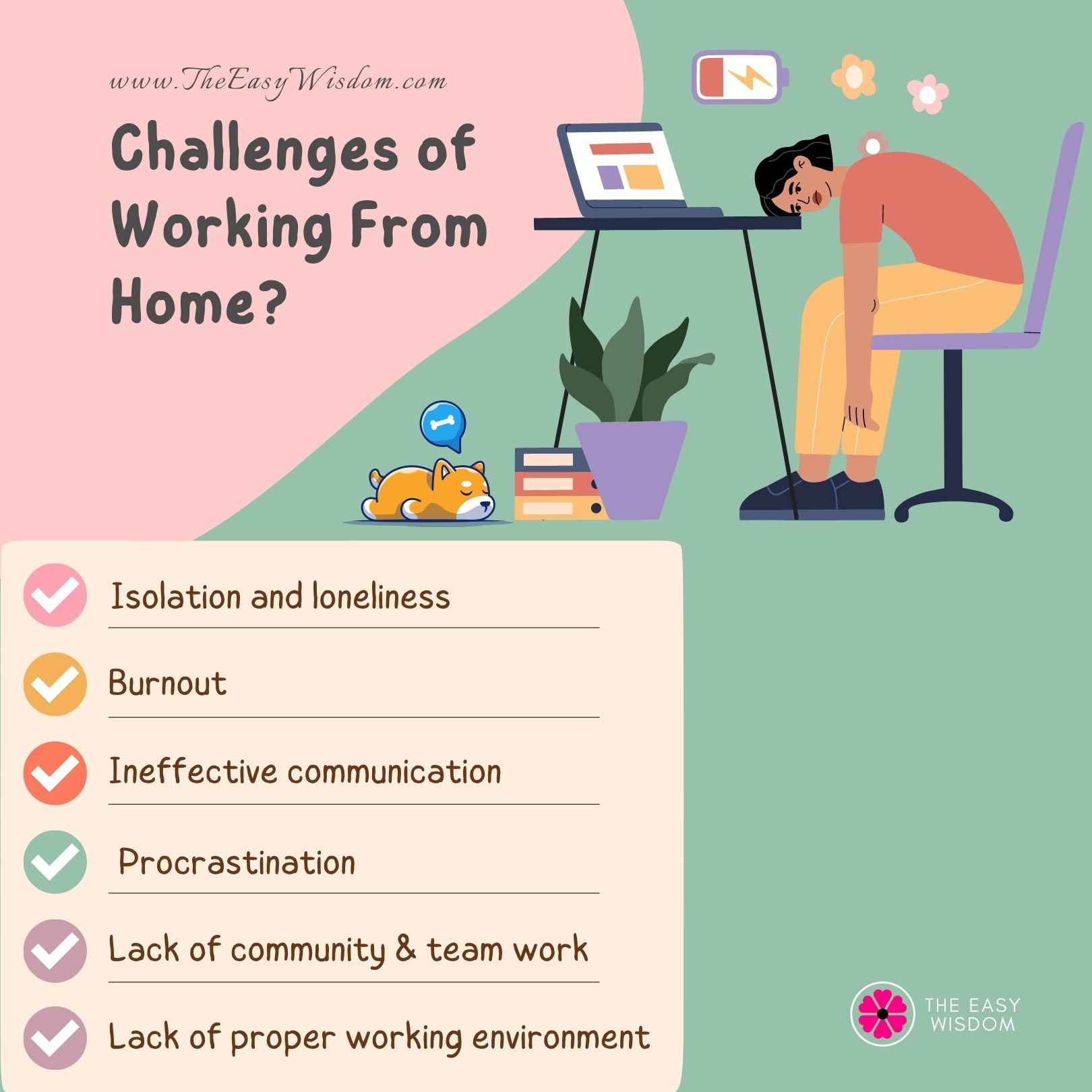
Work From Home:Liberation or Isolation?
Introduction
Remember the collective sigh of relief when working from home (WFH) became the norm? Pajama pants during meetings! No more soul-crushing commutes! The promise of increased flexibility and a better work-life balance danced in our heads. But as the novelty wore off, a new question emerged: is this freedom truly liberating, or is it breeding a silent epidemic of isolation?
We’ve all experienced it, that creeping feeling of disconnection, the blurring lines between work and personal life, the longing for spontaneous water cooler chats. Let’s dive deep into the reality of WFH, exploring both its bright spots and shadowy corners, and, most importantly, uncovering practical solutions to navigate this evolving landscape.
The Initial High:Short-Term Gains
Initially, the shift to remote work felt revolutionary. The freedom to manage our own schedules, the ability to be present for family, and the sheer bliss of avoiding rush hour traffic were undeniable wins. Studies showed increased productivity in many sectors, fueled by fewer distractions and a sense of autonomy. Companies benefited from reduced overhead costs, and employees enjoyed a greater sense of control over their lives.
This honeymoon phase was marked by increased flexibility, a welcome change that allowed many to better juggle their personal responsibilities. Parents could attend school events, appointments were easier to schedule, and the overall stress levels seemed to decrease, at least temporarily.
The Long Game:When the Walls Close In
However, as weeks turned into months, the initial euphoria began to fade. The lines between work and home blurred, leading to longer hours and a sense of always being “on.” The lack of physical separation made it difficult to disconnect, contributing to burnout and decreased mental well-being.
One of the most significant long-term impacts is the potential for social isolation. The absence of daily interactions with colleagues can lead to feelings of loneliness, detachment, and a decline in team cohesion. The spontaneous brainstorming sessions, the casual lunchtime conversations, and the shared sense of camaraderie that once fueled creativity and innovation disappeared.
This isolation can also hinder career advancement. Informal networking, mentoring, and opportunities for visibility become more challenging when working remotely. The “out of sight, out of mind” phenomenon can impact promotions and recognition.
The Psychological Toll:Beyond Productivity
Beyond the practical challenges, the psychological impact of prolonged WFH is significant. Studies have shown an increase in anxiety, depression, and feelings of disconnection among remote workers. The lack of routine, the blurring of boundaries, and the reduced social interaction can all contribute to a sense of unease and loneliness.
Furthermore, the absence of a clear separation between work and personal life can lead to increased stress and burnout. The constant availability demanded by today’s technology makes it difficult to truly disconnect, leading to a feeling of being perpetually “on call.”
Reclaiming Connection:Practical Solutions for a Hybrid World
The good news is that we’re not helpless. We can actively combat the negative impacts of WFH and create a more sustainable and fulfilling remote work experience. Here are some practical strategies:
- Establish Clear Boundaries:This is paramount. Set specific work hours and stick to them as much as possible. Create a dedicated workspace, even if it’s just a corner of a room, and physically separate yourself from work when the day is done. Communicate these boundaries clearly to your family and colleagues.
- Example:Sarah, a marketing manager, found herself working late into the night. She implemented a “no work after 7 pm” rule and started using an app that blocks work-related websites and notifications after hours. This helped her disconnect and reclaim her evenings.
- Prioritize Social Connection:Make a conscious effort to connect with colleagues and friends. Schedule regular virtual coffee breaks, team lunches, or even just short check-in calls. Consider joining online communities or professional groups to expand your network and interact with like-minded individuals.
- Example:A software development team implemented a weekly virtual “water cooler” session where they could chat about anything but work. This helped them maintain a sense of camaraderie and connection.
- Embrace Hybrid Models:Advocate for a hybrid work model that combines remote and in-office days. This allows you to enjoy the benefits of both worlds – the flexibility of WFH and the social interaction of being in the office.
- Case Study:Company X, a financial services firm, adopted a hybrid model where employees could choose to work from home three days a week and come into the office two days. This led to increased employee satisfaction, improved team collaboration, and reduced burnout.
- Invest in Technology and Tools:Utilize technology to foster connection and collaboration. Explore virtual meeting platforms, project management tools, and communication apps that facilitate teamwork and interaction.
- Example:A design agency implemented a virtual whiteboard tool that allowed team members to collaborate on projects in real-time, even when working remotely. This enhanced creativity and communication.
- Prioritize Physical and Mental Well-being:Make time for exercise, healthy eating, and mindfulness practices. Take regular breaks throughout the day to stretch, move around, and disconnect from your screens. Seek professional help if you’re struggling with anxiety, depression, or feelings of isolation.
- Example:John, a data analyst, started taking a 30-minute walk every afternoon to clear his head and get some exercise. This helped him reduce stress and improve his overall well-being.
- Reimagine Team Building:Traditional team-building activities may not be feasible in a remote environment. Get creative and explore virtual alternatives, such as online games, virtual escape rooms, or even online cooking classes. The goal is to create opportunities for team members to connect and bond outside of work-related tasks.
- Example:A sales team organized a virtual scavenger hunt where team members had to find specific items in their homes and share them on a video call. This was a fun and engaging way to foster team spirit and camaraderie.
Finding the Balance:A Sustainable Future of Work
The future of work is undoubtedly hybrid, and finding the right balance between liberation and isolation is crucial for creating a sustainable and fulfilling remote work experience. By proactively addressing the challenges and embracing the opportunities, we can harness the power of WFH while mitigating its potential downsides.
It’s about being intentional about connection, setting boundaries, prioritizing well-being, and leveraging technology to bridge the gaps created by physical distance. It’s about crafting a personalized work environment that supports not only productivity but also mental and emotional well-being.
Don’t be a passive observer in this evolving landscape. Take control of your remote work experience. Experiment with different strategies, find what works best for you, and actively create a work environment that is both productive and fulfilling. The power to transform WFH from a potential source of isolation to a true source of liberation lies within you. Start small, be consistent, and remember that even small changes can make a big difference in your overall well-being and career satisfaction. The future of work is not just about where we work, but how we work – and that’s something we can all actively shape.