
 By admin
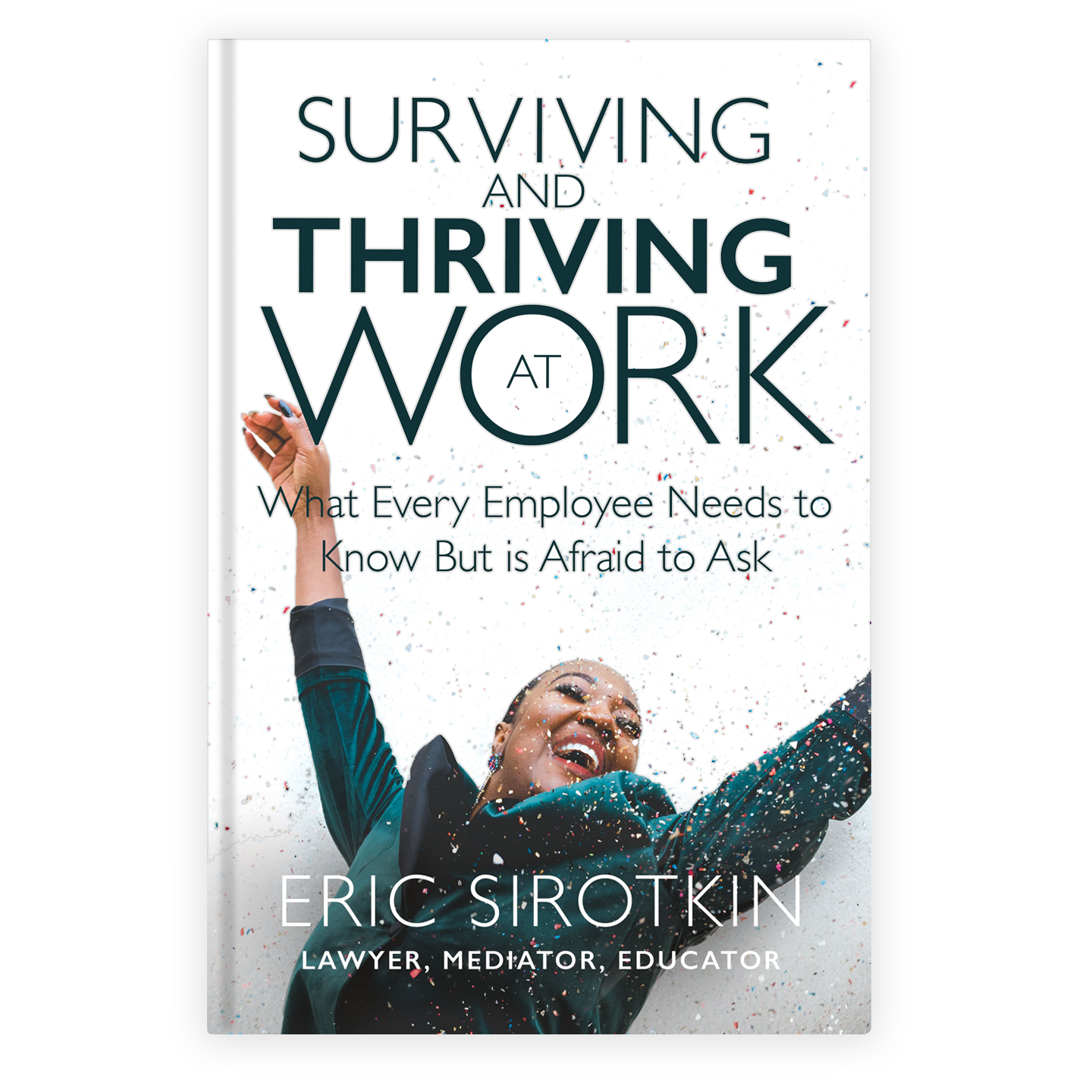
Your Workplace: Thrive or Survive?
Introduction
Ever feel like you’re just treading water at work, barely keeping your head above the surface? Like you’re just… surviving? You’re not alone. We’ve all been there. Maybe it’s a demanding boss, a soul-crushing workload, or simply a feeling of being disconnected from the bigger picture. Whatever the reason, feeling stuck in survival mode at work can be draining, demotivating, and ultimately, detrimental to both your career and your well-being.
But what if you could shift that paradigm? What if, instead of just surviving, you could actually *thrive* in your workplace? It’s not just a pipe dream. It’s achievable, and this article is your guide to making that transition.
The Ripple Effect of a Toxic Work Environment
Let’s be honest, “surviving” isn’t sustainable. The short-term consequences of a negative workplace environment can be obvious: increased stress, anxiety, decreased productivity, and a growing dread of Monday mornings. You might find yourself snapping at loved ones, losing sleep, or resorting to unhealthy coping mechanisms.
But the long-term impacts are even more insidious. Chronic stress can lead to burnout, which can manifest as emotional exhaustion, cynicism, and a feeling of detachment from your work. This can damage your performance, hinder your career progression, and even contribute to physical health problems like heart disease, high blood pressure, and a weakened immune system.
Beyond the individual, a “survive” mentality can poison the entire team. It can lead to decreased collaboration, increased conflict, and a lack of innovation. A company full of people just trying to get through the day is a company that’s slowly sinking.
From Survival to Success: Practical Steps to Thrive
So, how do you escape the survival trap and start thriving? Here are several practical strategies you can implement:
- Take Ownership of Your Wellbeing:
This might seem obvious, but it’s the foundation. You are responsible for your own wellbeing, even (and especially) within the confines of your workplace.
- Establish Boundaries: Learn to say “no” to tasks that are outside your job description or exceed your capacity. It’s okay to prioritize your own workload and mental health. For example, if you consistently stay late to cover for a colleague, gently explain that you need to adhere to your scheduled hours and suggest alternative solutions, like delegating tasks or prioritizing urgent matters.
- Practice Self-Care: This isn’t just about bubble baths (though those are great too!). Find activities that help you de-stress and recharge. This could be exercise, meditation, spending time in nature, reading, or pursuing a hobby. Schedule these activities into your week and treat them as non-negotiable appointments.
- Prioritize Sleep: Sleep deprivation exacerbates stress and impairs cognitive function. Aim for 7-8 hours of quality sleep each night. Create a relaxing bedtime routine and avoid screen time before bed.
- Cultivate Positive Relationships:
Human connection is crucial for a thriving work environment.
- Build Bridges: Make an effort to connect with your colleagues on a personal level. Ask about their weekends, share common interests, and offer support when they need it. A simple act of kindness, like bringing in coffee for your team or offering a helping hand on a project, can go a long way.
- Find a Mentor (or Be One!): A mentor can provide guidance, support, and valuable insights into navigating your career path. Conversely, mentoring someone else can be incredibly rewarding and help you refine your own skills and knowledge.
- Address Conflict Constructively: Conflict is inevitable, but how you handle it can make all the difference. Learn to communicate your needs and concerns assertively and respectfully. Focus on finding mutually agreeable solutions rather than assigning blame.
- Re-engage with Your Purpose:
Feeling disconnected from your work is a major driver of the “survive” mentality.
- Connect to the “Why”: Remind yourself why you chose this career path and what impact your work has on the bigger picture. Even if your job seems mundane, try to identify how it contributes to the overall success of the organization.
- Seek Out Opportunities for Growth: Look for ways to expand your skills and knowledge. This could involve taking online courses, attending workshops, or volunteering for new projects. Feeling like you’re growing and developing professionally can reignite your passion for your work.
- Champion a Cause: If you’re passionate about a particular issue, find ways to get involved at work. This could involve organizing a charity drive, implementing a sustainability initiative, or advocating for positive changes within the company.
- Strategically Manage Your Workload:
Feeling overwhelmed by your workload is a surefire way to end up in survival mode.
- Prioritize Effectively: Use tools like the Eisenhower Matrix (urgent/important) to prioritize your tasks. Focus on the high-impact activities that will move you closer to your goals.
- Delegate When Possible: Don’t be afraid to delegate tasks to others if you have the authority to do so. Delegating not only frees up your time but also empowers your team members to develop new skills.
- Time Management Techniques: Experiment with different time management techniques to find what works best for you. The Pomodoro Technique, time blocking, and the Getting Things Done (GTD) method are all popular options.
Alternative Approaches: Knowing When to Fold
While the above strategies can significantly improve your workplace experience, sometimes the environment is simply too toxic to overcome. In these cases, it’s important to recognize when it’s time to explore alternative options.
- Transfer Within the Company: If you enjoy the company but dislike your current role or team, consider transferring to a different department.
- Seek External Opportunities: If the problems are systemic within the company, it might be time to start looking for a new job. Don’t be afraid to pursue opportunities that align better with your values and career goals.
- Entrepreneurship: If you’re feeling particularly stifled by the traditional workplace, consider starting your own business. This can be a challenging but incredibly rewarding path.
Case Study: Turning the Tide at Acme Corp
Acme Corp, a once-thriving tech company, was experiencing a significant decline in employee morale and productivity. After conducting an employee survey, leadership discovered that a majority of employees felt overwhelmed, undervalued, and disconnected from the company’s mission.
Instead of ignoring the problem, Acme Corp implemented a comprehensive program to address these issues. They invested in leadership training, implemented flexible work arrangements, and created opportunities for employees to connect with each other and with the community. They also encouraged employees to take ownership of their wellbeing by offering wellness programs and promoting a culture of open communication and feedback.
Within a year, Acme Corp saw a dramatic turnaround. Employee morale increased, productivity soared, and the company’s reputation as a desirable employer was restored.
Take Action: Embrace the Thrive Mindset
Ultimately, shifting from survival to thriving in your workplace is a journey, not a destination. It requires self-awareness, intentional effort, and a willingness to take action. But the rewards are immeasurable. A thriving work environment fosters creativity, innovation, and personal fulfillment.
So, take a moment to reflect on your current situation. What steps can you take today to start moving towards a more positive and productive experience? Don’t wait for things to magically improve. Take control of your own wellbeing and start building the workplace you deserve. You have the power to transform your experience from one of survival to one of success. The choice is yours: Thrive or Survive? Choose to thrive.